Health and Safety Policy for Belgravia Carpet Cleaners
 Belgravia Carpet Cleaners is committed to providing a safe, healthy, and well-managed working environment for staff, clients, contractors, and any other people who may be affected by our activities. This health and safety policy sets out the standards we expect in all carpet and upholstery cleaning operations, including risk control, safe use of equipment, and sensible working practices. Our approach is based on prevention, awareness, and consistent supervision, so that every cleaning task is carried out with care and professionalism.
We recognise that carpet cleaning involves a range of hazards, including wet floors, electrical equipment, cleaning chemicals, manual handling, and restricted working spaces. For that reason, our health and safety policy is designed to reduce risk as far as reasonably practicable. All staff are expected to follow safe systems of work, use equipment correctly, and report concerns immediately. We also expect cooperation from clients when access, ventilation, or surface protection is required.
 Our responsibilities include identifying foreseeable risks, providing suitable training, maintaining equipment, and reviewing procedures regularly. We will provide employees with appropriate instruction on the safe handling of cleaning agents, the correct use of machines, and the importance of keeping work areas tidy. Health and safety is everyone’s responsibility, and we encourage a culture where issues are raised early and addressed promptly.
Core Safety Principles
The main purpose of this Belgravia Carpet Cleaners safety policy is to ensure that work is planned and completed without unnecessary danger. Before any job begins, a basic assessment is made of the area, the condition of flooring, potential trip points, and the suitability of the cleaning method. Where conditions present additional risk, work may be adjusted, delayed, or stopped until controls are in place. This measured approach helps protect people, property, and business operations.
Personal protective equipment may be used where necessary, including gloves, slip-resistant footwear, eye protection, and other items suited to the task. Staff must keep their PPE clean and in good condition, and replace it when worn or damaged. Equipment checks are also essential. Hoses, cables, extraction machines, and attachments must be inspected before use to reduce the chance of malfunction, shock, or leaks.
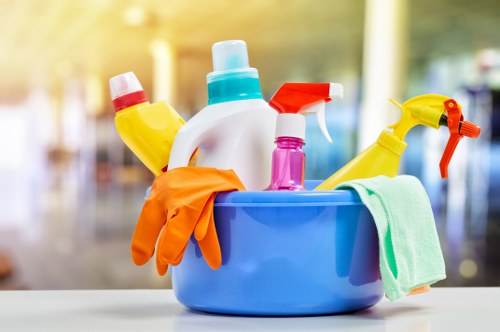
 Chemical safety is a key part of our procedures. Only approved products are used, and they must be stored, diluted, and applied according to manufacturer instructions. Strong emphasis is placed on avoiding unnecessary exposure and ensuring that materials are never mixed in unsafe ways. Staff are trained to recognise warning labels, understand safety data information, and respond correctly if accidental contact or spillage occurs.
Workplace Controls and Safe Practice
Manual handling risks are managed through planning and technique. Carpet cleaning can involve moving furniture, carrying water, and handling bulky equipment, so staff are expected to assess loads before lifting and to seek help where required. Whenever possible, machines and materials should be transported using appropriate handling aids. Safe posture, controlled movement, and awareness of surroundings help prevent strains and injuries.
Slip and trip prevention is especially important during wet cleaning tasks. Floors may become temporarily hazardous while work is in progress, so warning signs and clear communication are used to protect occupants and staff. Cables are positioned to minimise obstruction, and cleaned areas are monitored until they are safe to walk on. Where necessary, access to specific areas may be restricted until drying is complete.
Fire safety, ventilation, and emergency readiness are also part of this policy. Cleaning operations should not block exits or compromise escape routes. Rooms must be ventilated adequately when products are in use, and any signs of overheating, unusual smells, or equipment damage should be acted on immediately. All incidents, near misses, and unsafe conditions must be reported so that corrective action can be taken without delay.
Responsibilities and Monitoring
Managers are responsible for ensuring that staff understand this carpet cleaning health and safety policy and have the competence to follow it. Supervisors will monitor working methods, confirm that equipment remains suitable for use, and make sure that training remains current. Any new equipment, product, or process must be introduced only after risks have been considered and suitable controls agreed.
Employees must take reasonable care of their own safety and that of others. They are expected to follow instructions, keep work areas orderly, and avoid unsafe shortcuts. If a task cannot be completed safely, staff must stop and seek guidance. This applies to all activities, whether carried out in domestic properties, commercial premises, or shared buildings.
 The policy will be reviewed periodically and updated whenever working practices change, incidents indicate a need for improvement, or better control measures become available. We believe that strong safety performance depends on consistent review, practical training, and a willingness to learn from experience. By maintaining clear standards, Belgravia Carpet Cleaners aims to deliver reliable service while protecting health, safety, and wellbeing.
Commitment to Continuous Improvement
 In support of this commitment, we will continue to assess risks, refine procedures, and encourage open communication about safety concerns. Our policy applies to all staff and all cleaning activities, and it should be read as a practical framework for safe working rather than a fixed statement. Through careful planning, responsible conduct, and attention to detail, Belgravia Carpet Cleaners aims to maintain high standards across every job.